On October 2, 2014, India launched the Swachh Bharat Mission, a nationwide push to strengthen hygiene, sanitation, and a culture of cleanliness. Over the years, the campaign has grown into a massive movement – one that reshaped public conversation and placed cleanliness at the heart of national consciousness.
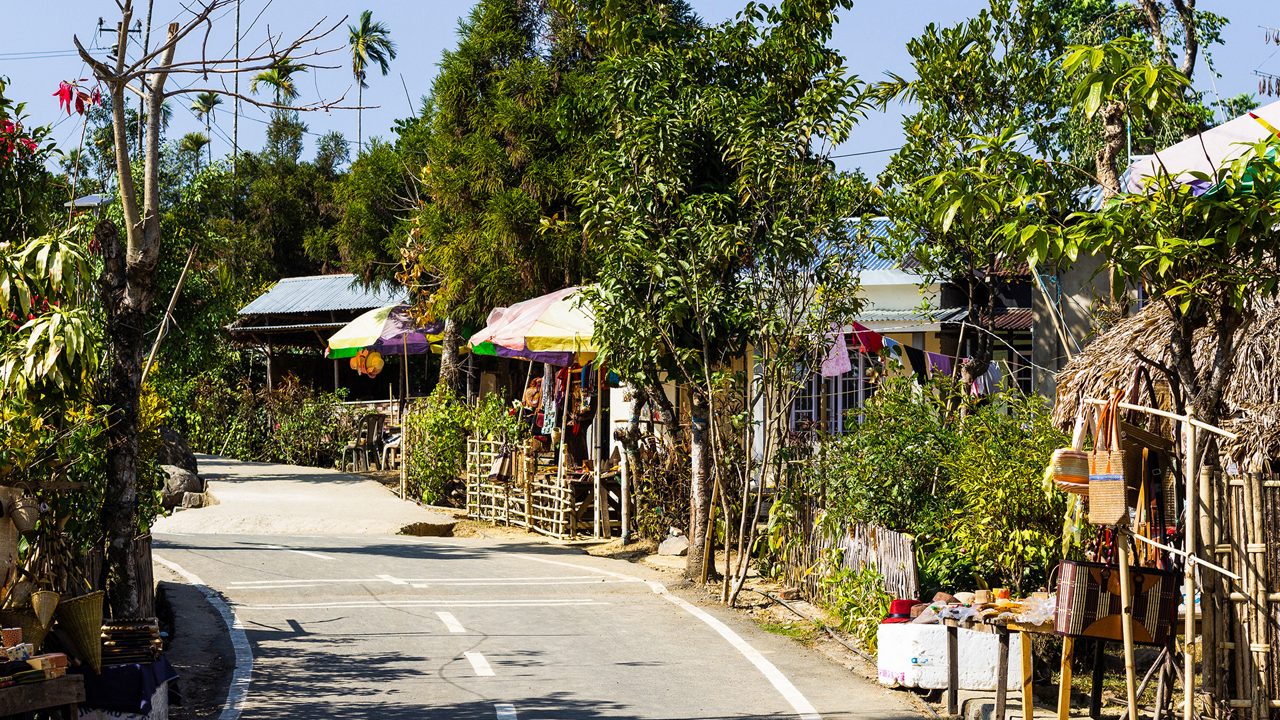
Against this sweeping backdrop, the story of Mawlynnong shines with a quiet, steady brilliance. Often celebrated as “Asia’s cleanest village,” this tiny settlement in Meghalaya stands as proof that a community’s commitment can outshine even the largest campaigns. And as another October 2 slips into memory, Mawlynnong deserves renewed appreciation — especially as it works to preserve its century-old tradition of cleanliness amid rising waves of tourism.
Tucked in the East Khasi Hills, Mawlynnong is home to roughly 548 Khasi villagers, most of whom follow Christianity. The village’s spotless pathways, disciplined waste management, and deeply ingrained respect for nature have earned admiration far beyond its borders. In 2015, Prime Minister Narendra Modi praised Mawlynnong during his “Mann Ki Baat” address, catapulting it into national awareness.
International media — from the BBC to the History Channel — have echoed this praise, spotlighting the village as a global model of sustainable living. In 2022, Mawlynnong added another feather to its cap with the Silver Award for Best Eco-Tourism Destination at the Outlook Traveller Awards.
What makes this recognition truly remarkable is that the village’s cleanliness isn’t enforced by external authorities or government mandates. Instead, it thrives on a self-regulating community system — a tradition lovingly maintained for more than a century. For Mawlynnong, cleanliness isn’t a rule.It’s heritage.It’s identity.It’s a way of life passed down through generations
Mawlynnong’s Tradition of Cleanliness
Mawlynnong’s love for cleanliness goes way back — all the way to the 1880s, when a deadly plague swept through the village. The community was shaken, unsure if they’d even survive. Christian missionaries who came to help the villagers strongly encouraged strict hygiene and cleanliness as a way to protect themselves.
That experience left a deep mark. After living through something so terrifying, the people of Mawlynnong embraced cleanliness not just as a habit, but as a way of life. Over the next century, this practice settled into their customs, their routines, and eventually their identity.
For the villagers, cleanliness isn’t something they “do” — it’s something they grow up with. One elderly woman shared a simple childhood memory:
“After school, I had to wash everyone’s clothes before I could go out to play. My sisters first cleaned and mopped the house, and only then were we allowed to start our homework. That’s how we were raised. Our children follow the same.”
In 2005, Mawlynnong quietly stepped into the spotlight when a representative from Discover India Magazine visited to document hidden corners of Meghalaya. The photos and stories that followed put the village on the map. From there, the world began noticing what Mawlynnong had been practicing for generations. Cleanliness became not just a habit — it became a badge of pride and the village’s unique identity.
Discover Mawlynnong’s Natural Marvels
Mawlynnong shelters one of the most awe-inspiring creations of nature and tradition — the Nohwet Living Root Bridge. This incredible structure is more than just a bridge; it’s proof of the Khasi community’s deep ecological wisdom. For generations, they have patiently guided the aerial roots of the Ficus Elastica tree, intertwining them over a bamboo frame until the roots strengthen, fuse, and eventually become a fully functional bridge. Standing on it feels like stepping into a world where nature and human creativity work hand in hand.
And once you’ve soaked in its magic, wander down to the nearby river. The water runs clear and cool — perfect for dipping your feet or taking a refreshing swim amid the quiet greenery.
But Mawlynnong’s charm doesn’t stop at natural wonders. A short walk brings you to the Church of the Epiphany, a century-old beauty showcasing European-style architecture. Tucked among vibrant foliage, the church exudes a peaceful charm that invites you to slow down and admire its timeless craftsmanship.
If you’re craving a bit of adventure, head for the bamboo lookout towers near the church. Climb up, and the world suddenly opens — endless greenery on one side and sweeping views of Bangladesh stretching into the horizon on the other. It’s the kind of scene that makes you pause, breathe, and capture a moment you’ll carry long after the journey ends.
Best Time to Visit Mawlynnong
Planning a getaway to Mawlynnong Village in Meghalaya? Here’s a handy guide to help you pick the perfect time. Although the village is enchanting throughout the year, it’s best to avoid the monsoon stretch from June to September, when heavy rains can slow down travel.
If you prefer clear skies and comfortable weather, spring (March–April) and autumn (September–October) are ideal for wandering through the village and taking in its natural beauty.
For festival lovers, October–November brings the lively Nongkrem Dance Festival, filling the region with traditional music, rhythms, and joy. And if you’re hoping to witness a memorable harvest celebration, plan your visit during September to December to experience the spirited Wangala Festival.
How to Reach Mawlynnong Village
Getting to Mawlynnong is pretty straightforward, and you can choose the route that suits your travel style.
By Air
The easiest way is to fly into Guwahati’s Lokpriya Gopinath Bordoloi International Airport, which is about 190 km from the village and well-connected with major cities like Delhi, Mumbai, Pune, Kolkata, and Bengaluru.
If you want something closer, Shillong Airport is just 103 km away, though flights are fewer. From either airport, you can hop into a taxi or cab, or catch a bus for a stunning five-hour drive through rolling hills and misty valleys.
By Train
The closest major railway station is Guwahati, linked to almost every corner of the country. Once you reach the station, continue the journey by taxi, cab, or a local bus. Expect the road trip from Guwahati to take around 5–6 hours.
By Road
If you love scenic drives, this route is for you. Mawlynnong is easily accessible via good highways from Shillong and other parts of Meghalaya, as well as neighboring states like Assam. The winding mountain roads offer postcard-worthy views at every turn — so keep your camera ready for those surprise “wow” moments!
Conclusion
After everything you’ve learned about Mawlynnong, there’s really no reason to think twice about visiting this gem of a village. It’s not every day you get to step into a place proudly known as Asia’s cleanest village — and trust me, it lives up to the title. Once you wander through its spotless lanes, breathe in its fresh air, and see how the community protects its beauty, you’ll carry that inspiration home. A trip to Mawlynnong doesn’t just leave you with memories… it leaves you with a renewed respect for keeping your own surroundings just as clean.
