High in the eastern Himalayas, where the world narrows into winding roads and clouds drift so low they brush your shoulders, I found myself in Zuluk — a tiny mountain village that feels like it belongs to another era. I didn’t go there expecting grand hotels or tourist comfort. I went because something about the Old Silk Route had always called to me, like a whisper from history. And standing there at nearly 10,000 feet, with the wind humming through prayer flags and the mountains rising like ancient guardians, I realized I had stepped into a place that would stay with me long after I left.
My journey to Zuluk wasn’t just travel; it felt like uncovering a chapter of the Himalayas that most people skip. The village itself is humble — a scattering of wooden homes, friendly faces, and a silence that settles into your bones. But the landscapes? Wild. Unpredictable. Soul-stirring. Every turn revealed a view so dramatic I kept forgetting to blink. This wasn’t the polished, brochure-style Sikkim people rave about. This was the raw, unfiltered version — where nature still writes the rules and you learn to follow.
Walking Through History on the Old Silk Route
Zuluk sits along the legendary Old Silk Route, a trail that once connected India to Tibet. While driving through its hairpin bends, I kept imagining traders and monks travelling the same path centuries ago, carrying silk, salt, stories, and dreams. The military presence along the route is strong, but surprisingly, it adds to the atmosphere — it feels like stepping into a protected frontier, a place both historical and alive.
Places I Explored in Zuluk — And Why They Moved Me
Thambi Viewpoint
If there is a place where the sun seems to rise just for you, it’s here. I reached Thambi Viewpoint early in the morning, the cold stinging my fingers, but the moment the first light touched the Kanchenjunga range, everything else disappeared. The entire valley blushed pink and gold. I don’t know if it was the altitude or the beauty, but I genuinely forgot to breathe for a second.
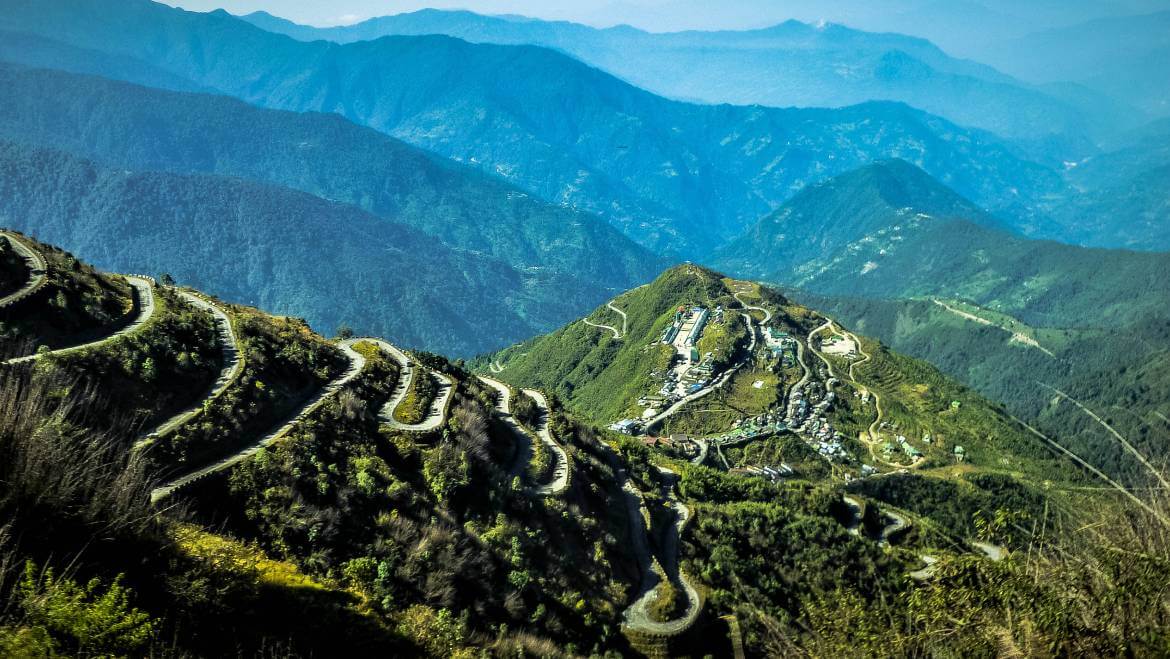
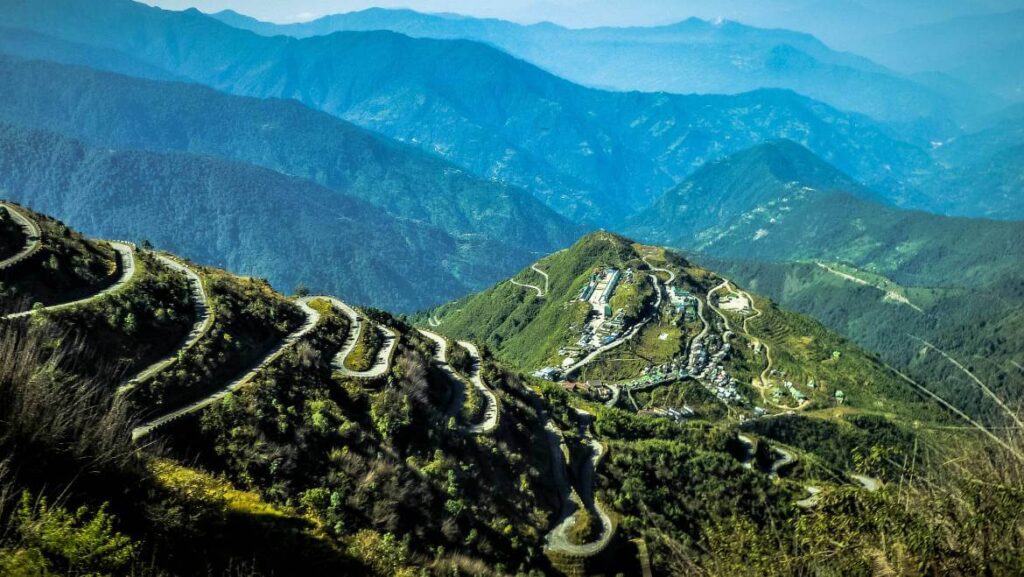
The Zig Zag Road
Seeing the legendary 32 hairpin bends from above was surreal — like a giant serpent carved into the mountain. Driving on it felt like dancing with danger and delight at the same time. It’s a road that tests your courage but rewards you with views straight out of a dream.
Lungthung & the High Meadows
I wandered through windy meadows where yaks grazed lazily, and the world felt blissfully slow. The air is thin, but the peace is thick — a kind of silence that makes your thoughts settle gracefully.
Nathang Valley
Nathang Valley felt like a painting someone forgot to finish — raw, open, and beautifully imperfect. In the golden light, its vastness made me feel tiny in the best possible way. I could almost hear the ancient stories hiding in the wind.
Kupup Lake (Elephant Lake)
This lake, shaped like an elephant, appears suddenly after a turn — silent, shimmering, and almost mystical. I sat by the lake for a while, watching the reflections dance and feeling like I had stumbled into a secret the mountains were willing to share.
Old Baba Mandir
There’s something deeply grounding about this shrine. The story of Baba Harbhajan Singh doesn’t just stay in the air — people feel it. Whether or not you’re spiritual, this place touches you with its simplicity and emotion.
Best Time to Visit Zuluk — From My Experience
I visited in the post-monsoon period when the skies were clear and the peaks looked close enough to touch. In September and October, Zuluk wears its finest attire — crisp air, open skies, and landscapes sharp as a painting. But if you come earlier, April to June blesses you with blooming rhododendrons and comfortable weather. July and August are tricky with mist and landslides, but the moody atmosphere has its own charm if you’re brave. Winter turns Zuluk into a frozen fairytale, but many roads become unpredictable, so it’s for the weather warriors.
How I Reached Zuluk — A Journey I Won’t Forget
I flew into Bagdogra Airport and started the long, winding road towards Rongli for the permit. From there, the climb began — steep forests, sudden waterfalls, and mountain edges sharp enough to make your heart skip. If you’re coming from New Jalpaiguri (NJP), the journey is similar — a slow ascent into another world. Road trips are undoubtedly the best way to experience Zuluk. Every curve, every cliff, every gust of wind adds a new chapter to your story.
Staying in Zuluk — Homestays with Warm Hearts
Luxury doesn’t reach Zuluk, but warmth does. I stayed in a local homestay, eating home-cooked meals by a wood-fired stove while listening to stories from the family. Nights are quiet except for the sound of the wind brushing past the tin roofs. It’s the kind of place that makes you slow down, breathe deeper, and remember what simplicity feels like.
Travel Tips I Wish I Knew Before Going to Zuluk
Pack layers — trust me. Even when the sun shines, the wind can slice through you. Keep your permits accessible; checkpoints are frequent. Carry cash because ATMs are mythical creatures here. Hydrate well, move slowly, and let your body adjust to the altitude. And most importantly, don’t rush. Zuluk isn’t meant to be “done.” It’s meant to be lived.
Conclusion: My Heart Still Wanders Those Bends
When I left Zuluk, I felt like I wasn’t just leaving a place — I was leaving a mood, a rhythm, a version of myself that the mountains gently revealed. Zuluk taught me that beauty doesn’t always shout; sometimes it whispers through mist, through winding roads, through a sunrise that paints the world softly. If you crave a journey that challenges you, calms you, surprises you, and stays with you long after the trip ends, Zuluk is where you need to go. I went as a traveler, but I left carrying a piece of the mountain in me — a quiet reminder that the world is still full of places that pause time.
